We’ve all had that moment. Maybe it was a rowdy game of indoor catch, or perhaps you were just trying to move that heavy dresser into the guest room and—thump—the corner of the drawer met the hallway wall. Now, every time you walk by, that hole is the only thing you see.
It’s tempting to head over to the hardware store, grab a small tub of spackle, and think, “I’ll have this fixed before dinner.” But if you’ve ever tried it, you know that drywall repair is one of those tasks that is deceptively tricky. Especially here in Houston, it’s even a little more complicated than you might think.
Living in our part of the world, we’re used to the humidity. But our walls feel it, too. Drywall is essentially a sandwich of gypsum and paper, and it’s surprisingly sensitive to the moisture in our air.
If you apply a patch and it doesn’t dry quite right because of a rainy afternoon, you might find that your hard work starts to crack or pull away within a month. Professionals aren’t just faster; they know how to work with the climate so the patch actually stays put for the long haul.
The real secret to a good drywall job isn’t the filling, it’s the blending. If you live in an established neighborhood like The Woodlands, you likely have textured walls. Trying to match that “orange peel” or “knockdown” texture with a spray can from the store is like trying to paint a masterpiece with a sponge. It usually ends up looking like a “patch on a patch.”
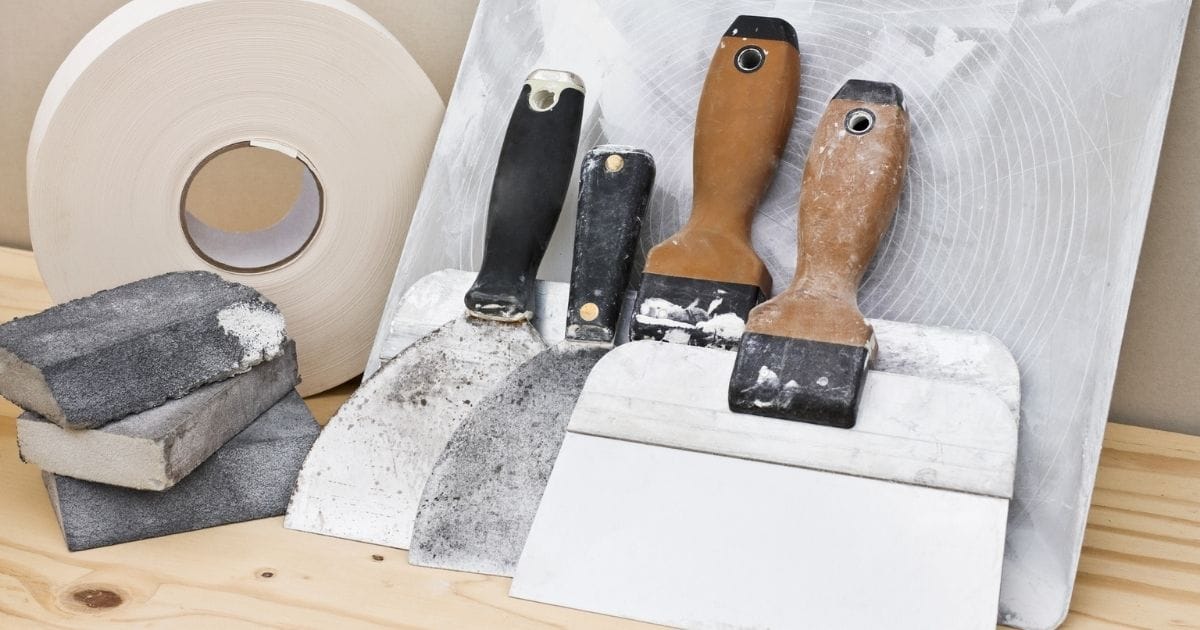
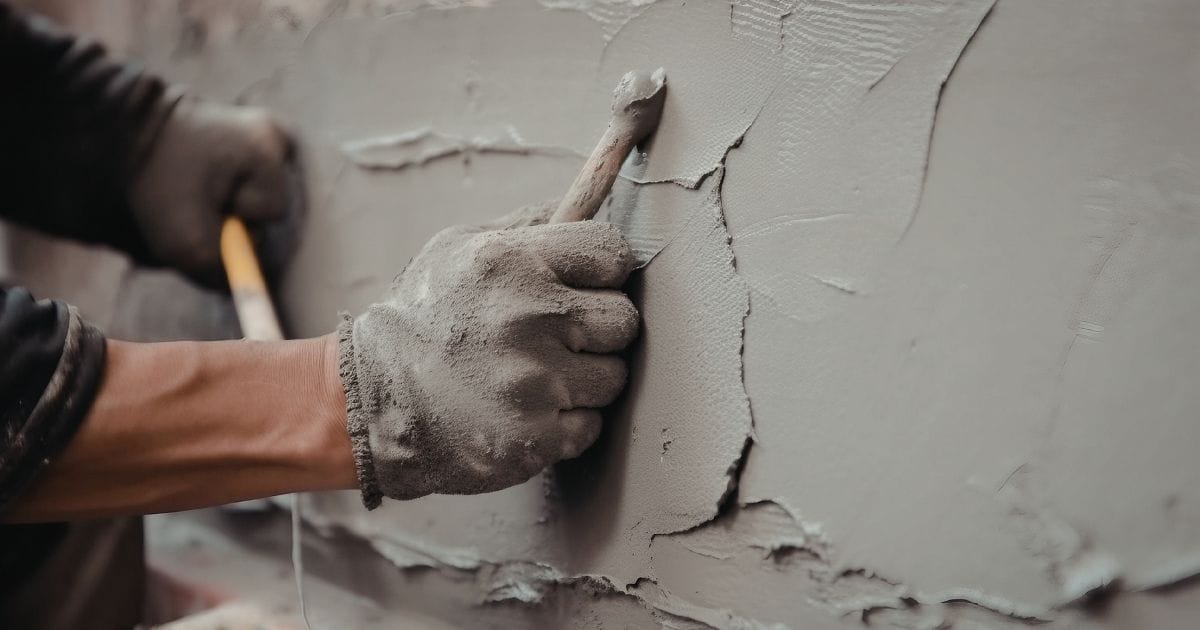
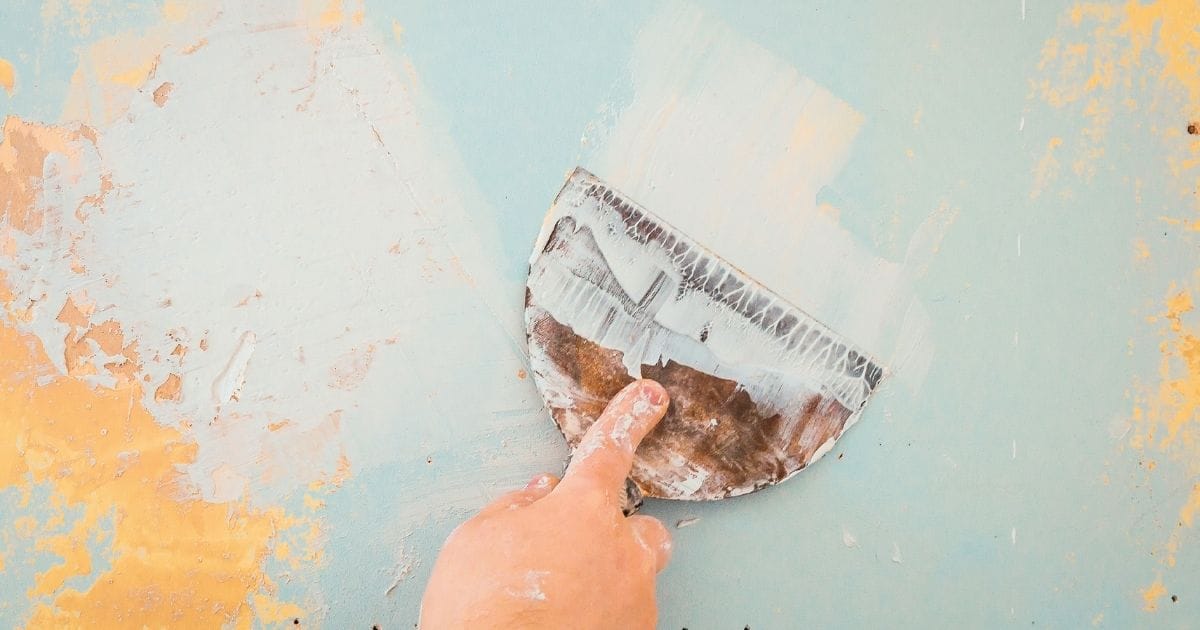
A friendly piece of advice? The goal isn’t just to fill the hole; it’s to make the hole disappear. That requires “feathering” the edges, sanding it down so thin that you can’t tell where the old wall ends and the new patch begins. It’s a dusty, tedious job that requires a lot of patience and a very steady hand. If you’d rather skip the sanding and get straight to the painting, you can check out our Drywall Repair services in Houston to see how we handle those pesky holes and cracks.
There’s no shame in calling for backup. In fact, for things like ceiling cracks (which are a literal pain in the neck) or water damage from a leaky pipe, it’s usually better to get it done right the first time.
If you’re staring at a wall project and feeling more stressed than inspired, remember that home ownership is a marathon, not a sprint. You don’t have to do it all yourself. Whether you’re right here in the city or out in the suburbs, there’s always a hand available to help get your home back to looking its best.
After all, your home should be a place where you relax, not a place where you’re constantly reminded of a “to-do” list that never ends.