10 Smart Home Repair Tips Houston Handymen Recommend
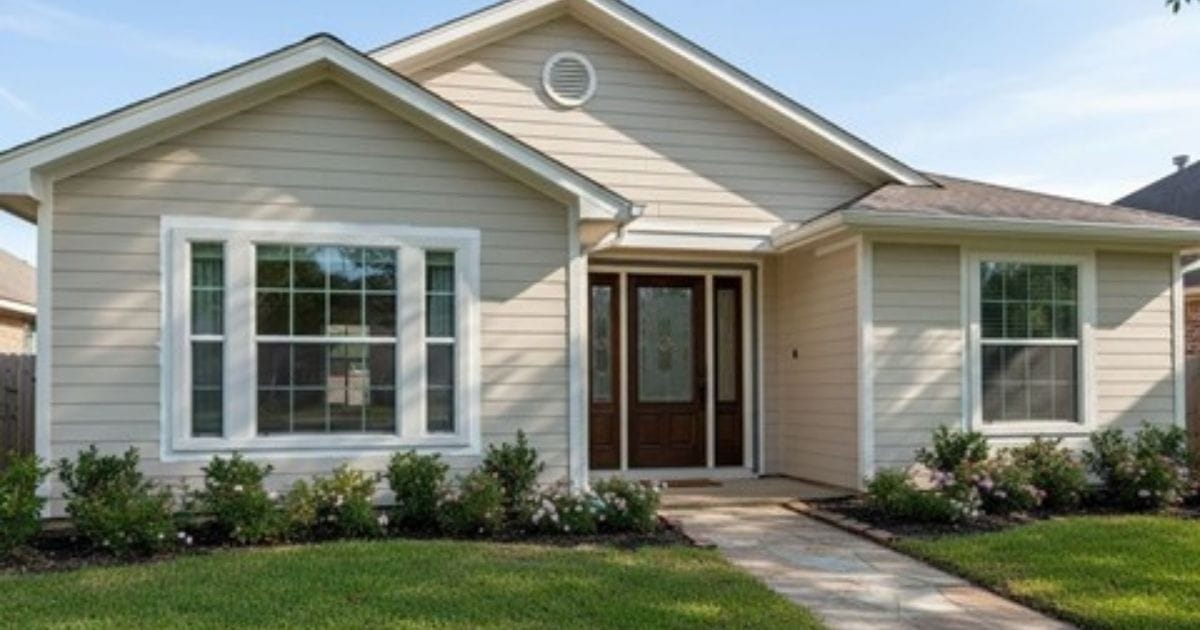
In Houston, small home problems rarely stay small for long. Heat, heavy rain, and humidity can turn a drip, gap, or loose board into a bigger repair faster than many homeowners expect.
That is why trusted Houston handyman pros focus on early fixes first. The tips below can help you protect your home, cut repair costs, and know when a job is still manageable and when it is time to call for help.
Start with the repairs that prevent bigger problems later
Smart home repair starts with catching trouble while it is still cheap to fix. In Houston, moisture is usually the fastest way a minor issue becomes an expensive one.
1. Check for leaks, stains, and soft spots before they spread
Tip 1 is simple: look under sinks and around toilets once a month. Run your hand along the cabinet floor, check supply lines, and look for swelling, stains, or a musty smell.
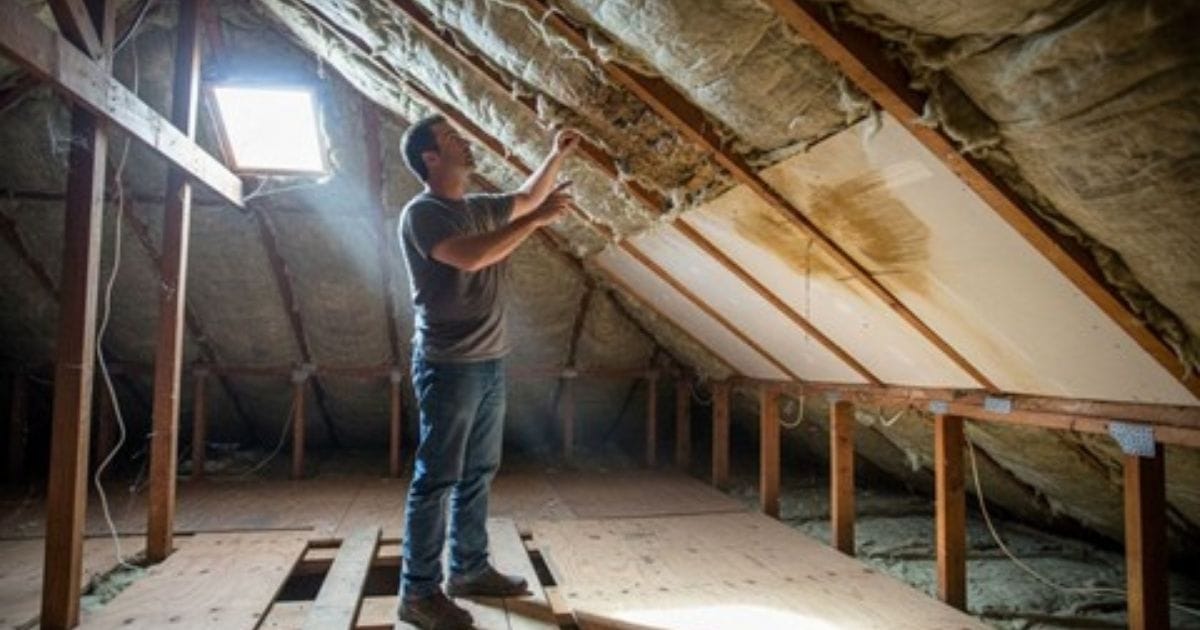
Next, Tip 2 is to inspect around windows, ceilings, and the attic after a hard rain. Houston’s damp air slows drying, so a hidden leak can sit longer and damage drywall, trim, or insulation.
If a stain keeps growing or drywall feels soft, fix the source before you paint or patch the surface.
Handle loose caulk and cracked grout as soon as you see them
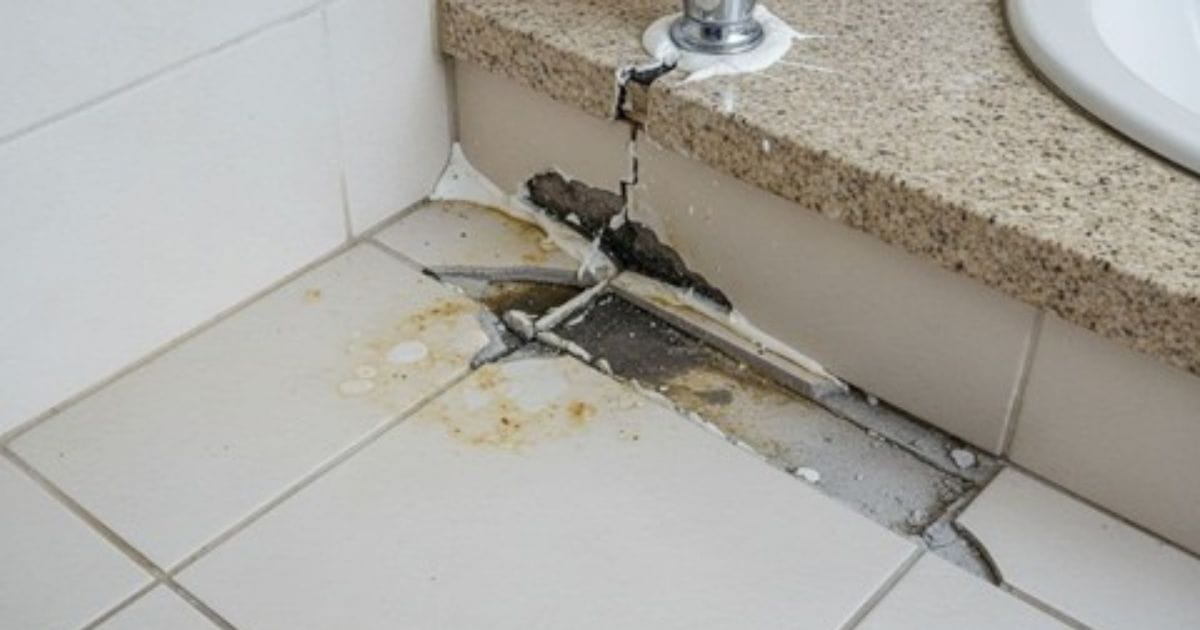
For Tip 3, check the caulk around tubs, showers, sinks, and backsplashes. When caulk pulls away or splits, water slips behind the surface and starts damaging what you cannot see.
Then move to Tip 4: replace cracked grout and seal small gaps near counters, baseboards, and exterior trim. These fixes do not take long, yet they can help stop mold, loose tile, and damaged subfloors.
Protect your home from Houston's weather and humidity
Houston homes deal with long heat, strong storms, and damp air for much of the year. Because of that, exterior upkeep is not cosmetic; it is part of basic home defense.
Keep doors, windows, and exterior trim sealed tight
Tip 5 is to replace worn weatherstripping and dried-out sealant around doors and windows. Small air leaks drive up utility bills, and small water gaps invite rot where you least want it.
Tip 6 is to repair split trim, peeling paint, and open joints before the next rainy stretch. Once water gets behind wood trim, the damage often spreads from the back side first, where it is harder to spot.
A tight exterior also helps your HVAC system work less. That matters in a city where the AC already works hard for much of the year.
Stay ahead of storm season with quick exterior checks
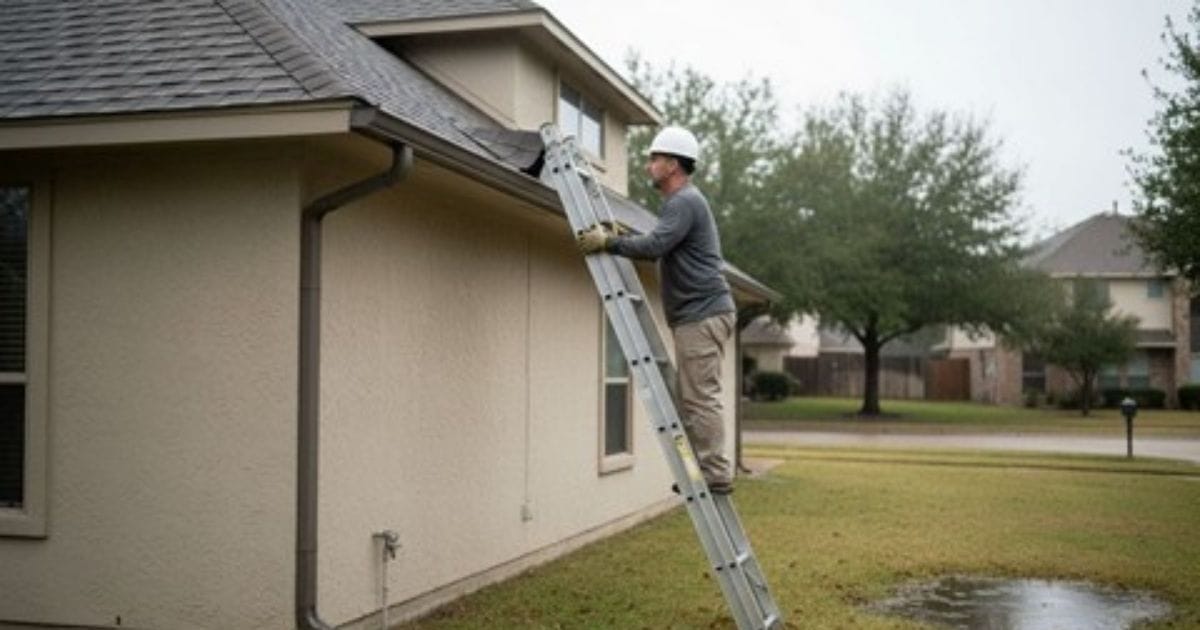
After that, Tip 7 is to walk the outside of your home after heavy rain or strong wind. Check gutters, downspouts, siding, porch railings, and any place where water should move away from the house.
Tip 8 is to fix loose shingles, detached downspouts, and wobbly railings right away. Waiting for the next storm is like leaving a window cracked before a downpour. The repair rarely gets smaller.
Know which repairs are safe to do yourself and which ones need a pro
Doing a few jobs yourself can save money. Still, the wrong repair can cost more than the original problem, so it helps to draw a clear line.
Good DIY jobs: patching holes, replacing hardware, and minor paint touch-ups
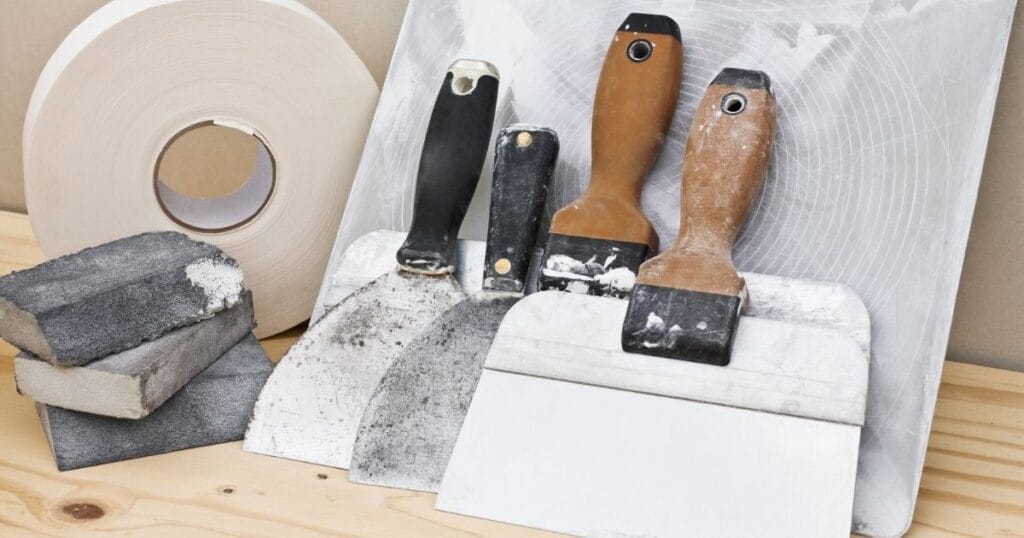
Tip 9 is to keep your DIY work low-risk and easy to check. Patching a small drywall hole, replacing cabinet pulls, tightening hinges, and touching up scuffed paint are all fair projects for a careful homeowner.
Use the right filler, screws, and paint finish for the surface. A rushed patch can stand out like a bad puzzle piece, so take your time and follow the product directions.
Call a handyman for plumbing, electrical, and structural concerns
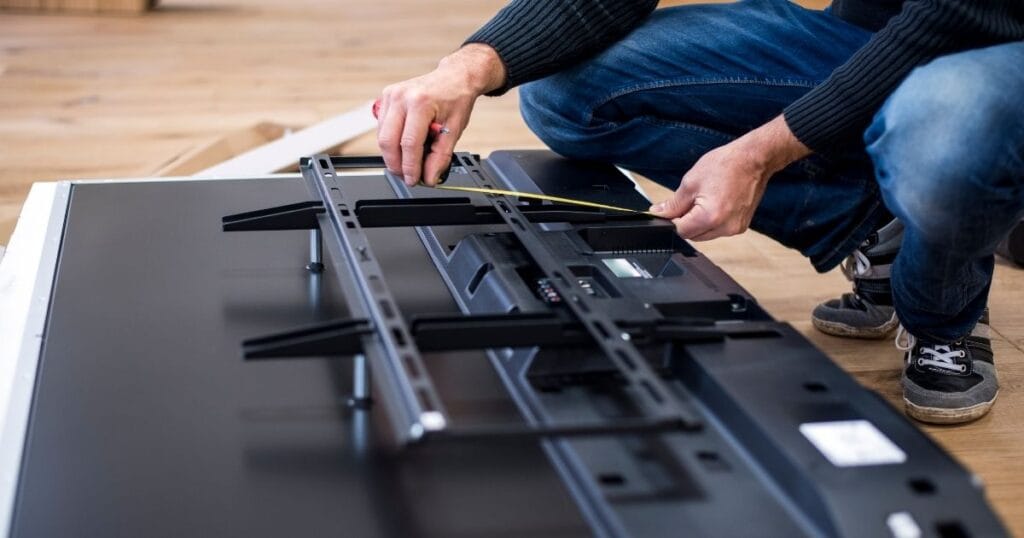
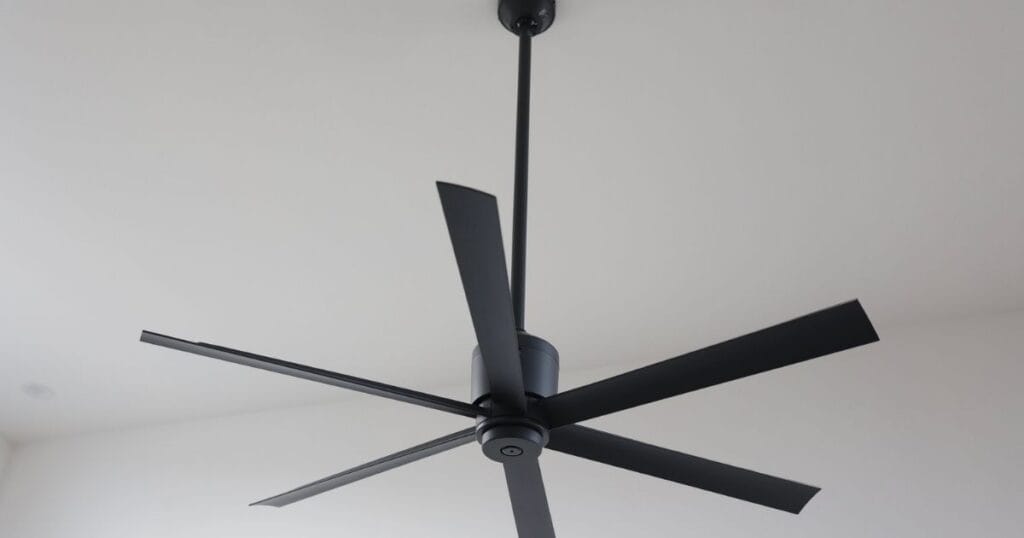
Tip 10 is the one that saves homeowners from the biggest mistakes: call a handyman for plumbing, electrical, or structural issues. Faulty outlets, broken light fixtures, recurring clogs, leaking valves, sagging shelves, or damaged framing can all hide a larger problem.
A skilled handyman can often spot the cause more quickly and tell you whether the job needs a plumber, an electrician, or a roofer. That advice can save both time and a second repair bill.
Work with a handyman service that saves time, stress, and repeat repairs
A quick fix is not always a good fix. The best Houston handyman services solve the problem at the source and help you avoid doing the same job twice.
Look for clear pricing, local experience, and solid communication
Look for a service that shows up on time, explains the work in plain language, and gives clear pricing before the job starts. That kind of communication builds trust, and it also helps you compare repair options without guesswork.
Local experience matters, too. Houston homes deal with slab movement, damp air, storm wear, and a wide mix of older and newer building materials.
Ask for repair advice that helps you plan ahead
A good handyman should leave you with more than a completed task. Ask what to watch next, what can wait a few months, and what needs attention before the next storm season.
That short conversation can turn into a simple maintenance plan. Even a basic note about caulk, gutters, trim, and hardware can keep small repairs from piling up.
Final Thoughts
Houston homes do not give minor damage much time to stay minor. The best repair habit is to catch moisture early, keep the exterior sealed, and stay honest about which jobs are safe to handle on your own.
When you pair quick action with a trusted local handyman, you protect your home and avoid repeat repairs. Small fixes done at the right time still beat large repairs after the next storm.