Interior Painting Tips for Houston Homes: High-Traffic Hallways and Kids’ Rooms
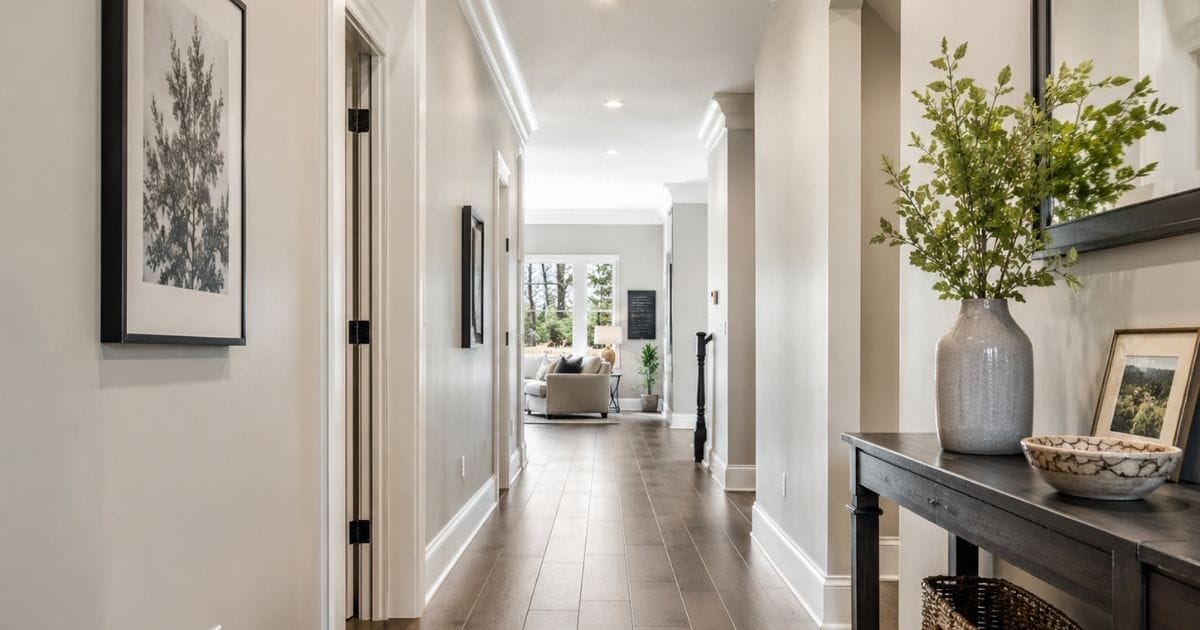
In a city like Houston, where humidity and heat are constant factors, interior paint has to work harder than in most other regions. For busy households with children and pets, hallways and bedrooms often become the frontline of home wear and tear. From scuffed baseboards to “fingerprint art” on the walls, these spaces require a strategic approach to painting that prioritizes durability, washability, and local climate considerations.
At One Day Home Services, we believe a smart repair or upgrade starts with catching trouble while it is still manageable. Applying the right paint in high-traffic areas is an investment that protects your home and cuts long-term repair costs.
1. Choose the Right Sheen: Function Over Fashion
While a “flat” or “matte” finish is popular for hiding drywall imperfections, it is a poor choice for high-traffic Houston hallways. In these areas, moisture from the air can sit on the surface, and flat paint tends to absorb oils and dirt rather than repel them.
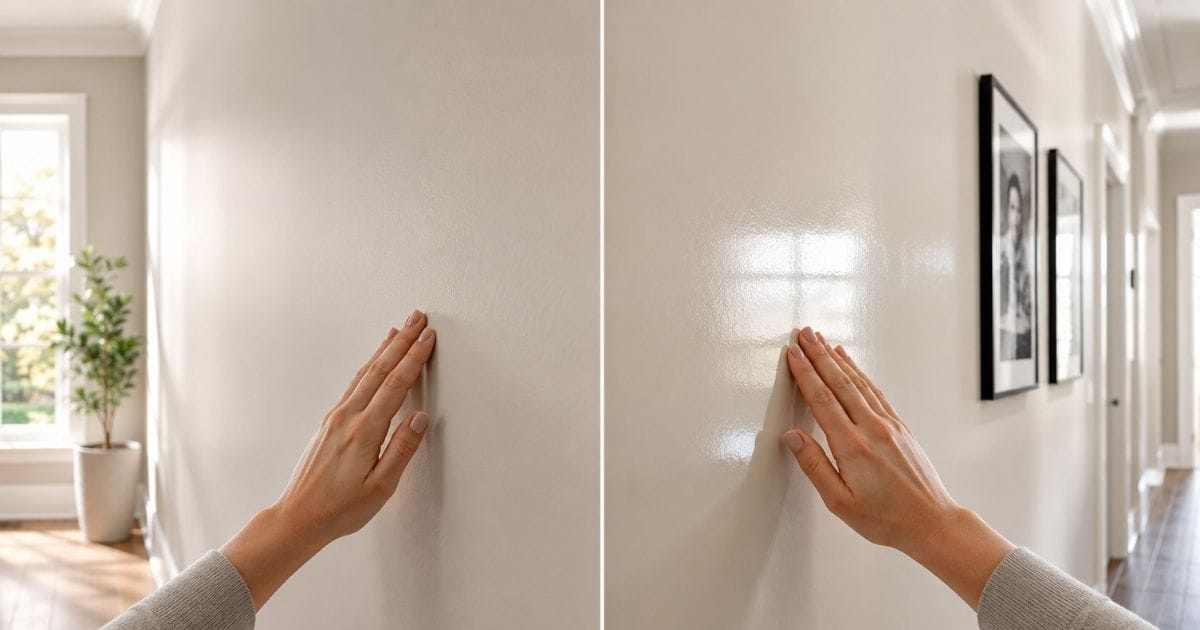
- Satin Finish: Ideal for hallways. It offers a soft glow but is durable enough to withstand regular wiping without losing its color.
- Semi-Gloss: The gold standard for kids’ rooms and baseboards. It creates a harder “shell” that allows for scrubbing off crayon marks or scuffs without damaging the paint layer.
- The “Scrubbability” Factor: High-quality paints are rated for how many “scrubs” they can handle before the finish degrades. For families, always opt for a premium acrylic latex that emphasizes washability.
2. Moisture-Proofing Your Prep Work
Houston’s damp air slows down the drying process of both paint and the materials underneath it. Before you even open a paint can, you must ensure the “envelope” of the room is sealed.
- Check for Hidden Leaks: Before painting a hallway or bedroom ceiling, check for stains or soft spots. If a stain keeps growing or the drywall feels soft, you must fix the source of the moisture before applying a fresh coat.
- Seal the Gaps: Check the caulk around window trim and baseboards. When caulk splits, humidity can slip behind the wall surface and cause the new paint to bubble or peel prematurely.
- Wait for a Dry Window: Avoid painting on days with extreme humidity (over 70%) if possible. High humidity can interfere with the paint’s ability to bond to the surface, leading to a finish that stays “tacky” for days.
3. The Power of Primer in High-Traffic Zones
Many homeowners try to save time by skipping primer, but in a high-traffic hallway, this is a mistake. Primer acts as the “glue” that ensures your topcoat stays put when a vacuum cleaner bumps into the wall or a child leans against it.
- Stain-Blocking Primers: In kids’ rooms, use a stain-blocking primer to prevent old ink marks or water spots from bleeding through your new light-colored paint.
- Smoothing the Surface: For older Houston homes that may have experienced slight slab movement, walls often have micro-cracks. A high-build primer can help fill these tiny imperfections, creating a smoother canvas for your final color.
4. Color Strategy for Active Spaces
While color is a personal choice, certain palettes work better for the “controlled chaos” of a family home.
- Mid-Tones: Extremes (very dark or very light) tend to show the most “life.” A very dark navy will show every dust speck and scratch, while a pure white will highlight every fingerprint. Mid-tone greys, beiges, or “greiges” are excellent at camouflaging daily wear.
- Accent Walls: In a kid’s room, consider an accent wall using “Chalkboard Paint” or a darker, high-durability hue where the bed or play area is located. This concentrates the heaviest wear in a zone designed to handle it.
5. Maintenance: Extending the Life of Your Walls
A quick fix is not always a good fix; the goal is to solve the problem at the source. To avoid repainting the entire hallway every two years, follow a simple maintenance plan:
- Touch-Up Kits: Keep a small, airtight jar of the specific paint used for each room. Touching up scuffed paint or a small drywall patch is a great DIY task that keeps the home looking fresh.
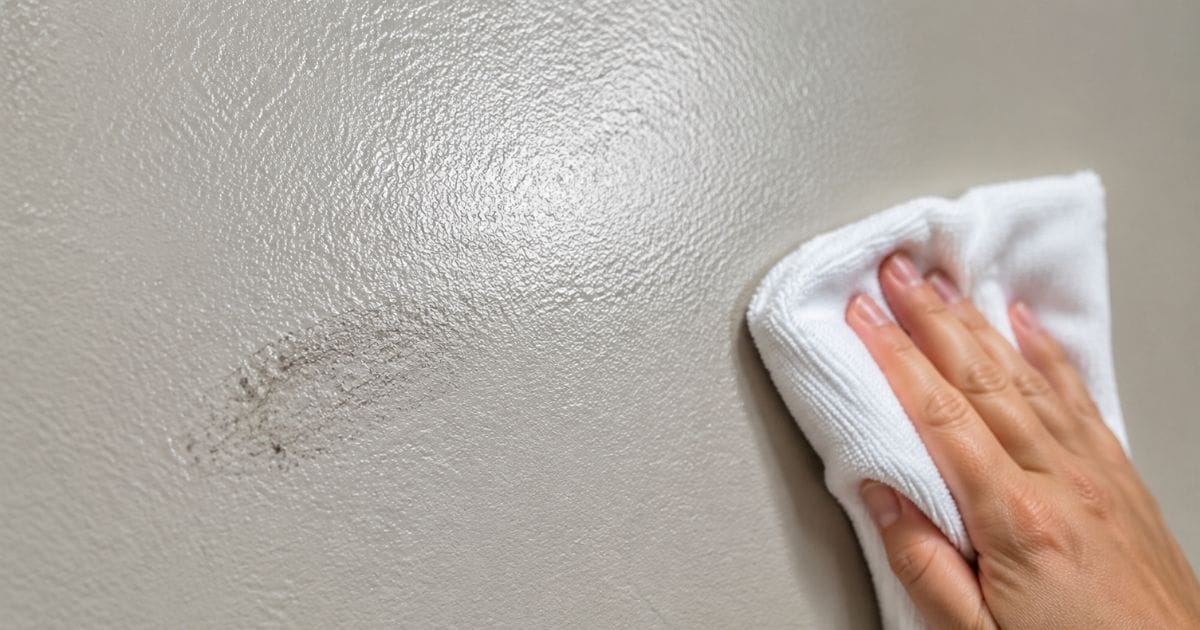
- Microfiber Over Sponges: When cleaning walls, use a damp microfiber cloth rather than an abrasive sponge. This protects the “sheen” of the paint and prevents permanent dull spots.
- Exterior Defense: Remember that the condition of your interior walls is often linked to your home’s exterior. Keeping windows and doors sealed tight prevents the humid Houston air from warping the trim or affecting the interior paint bond.
When to Call the Pros?
While patching small holes and touching up scuffs are safe DIY jobs, a full-scale interior repaint of high-ceiling hallways or complex trim work is often best left to a professional.
A skilled handyman service in Houston understands the local building materials and can ensure that the job is done right the first time, preventing the need for repeat repairs. If you notice recurring cracks, sagging shelves, or damaged framing during your painting project, these can hide larger structural issues that require an expert eye.
By pairing quick maintenance with professional help for the big tasks, you protect your home’s value and keep your living spaces looking beautiful, no matter how much traffic they see.